The two moments brand language has to survive
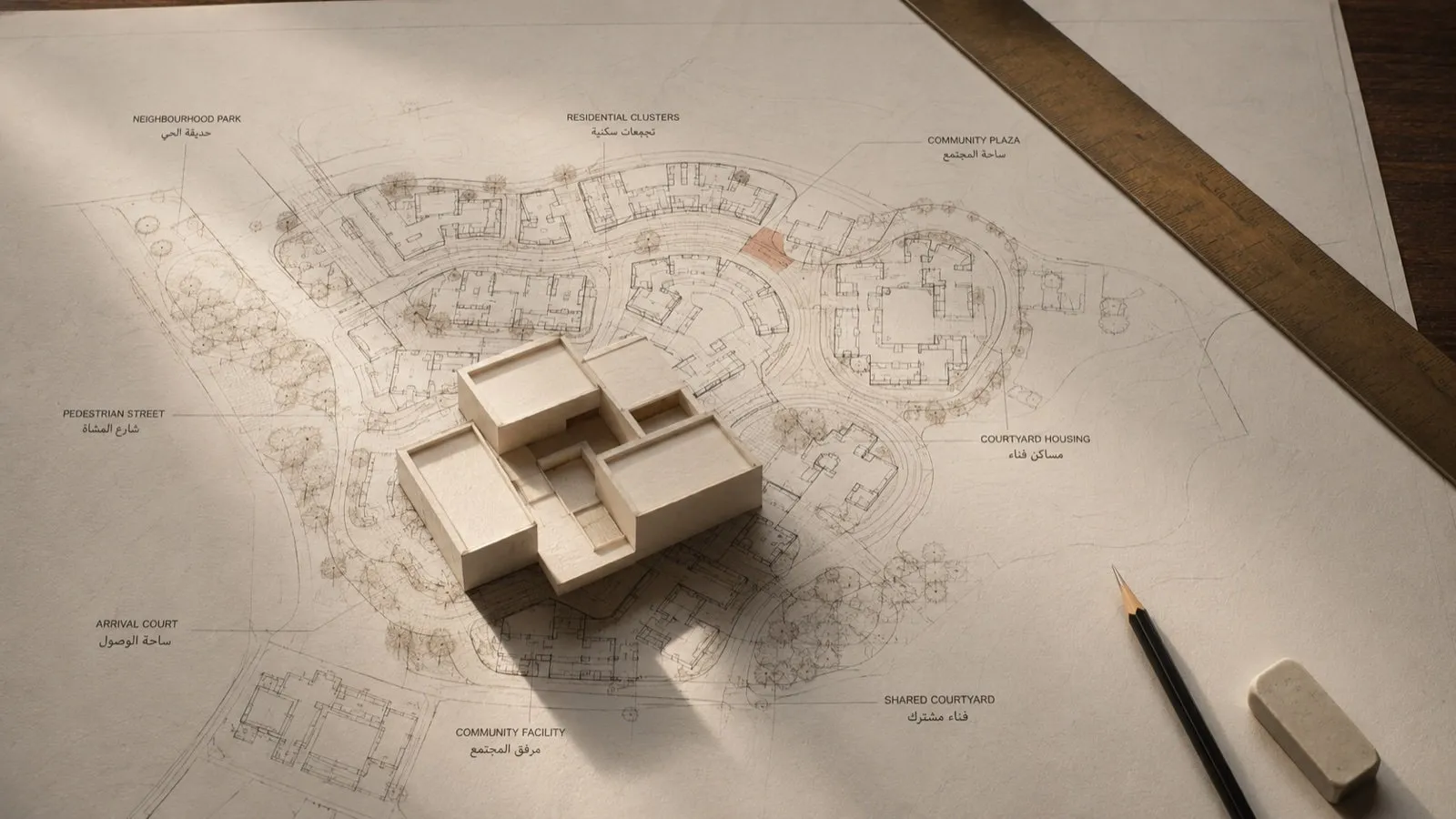
A development sells twice. The first sale is the masterplan: a story buyers can carry into a sales lounge, into a partner conversation, into a Friday family debate about where to live next. The second sale is the place itself: the wayfinding sign, the welcome book, the lift lobby plaque, the email that lands when handover is two weeks out.
Both moments need to feel like the same brand. Most do not.
Masterplan voice vs. onsite voice
Masterplan voice is ambitious, future-tense, conceptual. Onsite voice is calm, present-tense, hospitable. The mistake is treating them as different brands. They are the same brand at two different distances.
Across Centric, AURELIA, HUB 50, HUB Chillout, The Capital Way, and The Waterway North Coast, we have worked the same discipline at different pressures. A masterplan tagline short enough to live above a render and confident enough to live above a deed. An onsite voice that does not embarrass the masterplan when a resident finally moves in.
Bilingual sensibility, not bilingual translation
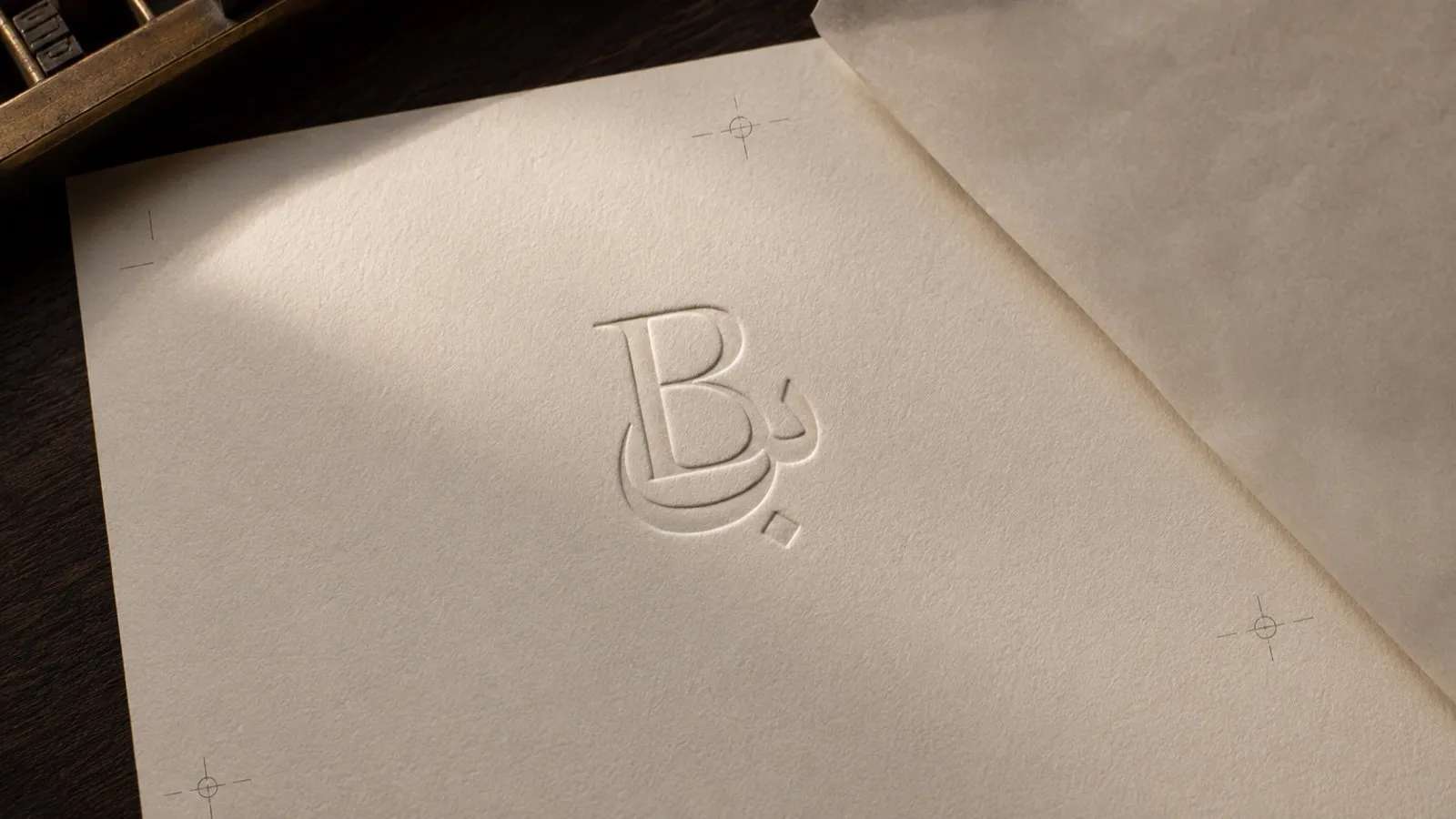
Real estate in our region is almost always bilingual. Most brands handle it as translation: write the English, hand the file to a translator, drop the Arabic into the bottom half of the artwork.
We approach it the other way. The bilingual sensibility is decided at strategy. Sometimes the Arabic carries the brand and the English supports. Sometimes it is the reverse. Sometimes the same phrase will not work in both languages and the brand needs two ideas, not one translated one.
The result is artwork where neither line feels like an afterthought.