A name is the only line you cannot edit later
Most brand assets can be rewritten. Taglines get refreshed. Voice guidelines get expanded. Visual identity systems get the seven-year overhaul. A name does not move.
It lives in the URL, the legal entity, the share certificate, the loan papers, the contracts, the email signature, the customer’s tongue. By the time a brand is large enough to want to change it, the cost is too high to bear.
That is why we treat the naming hour as the single most leveraged decision in a brand-language engagement.
What we hold the name accountable to
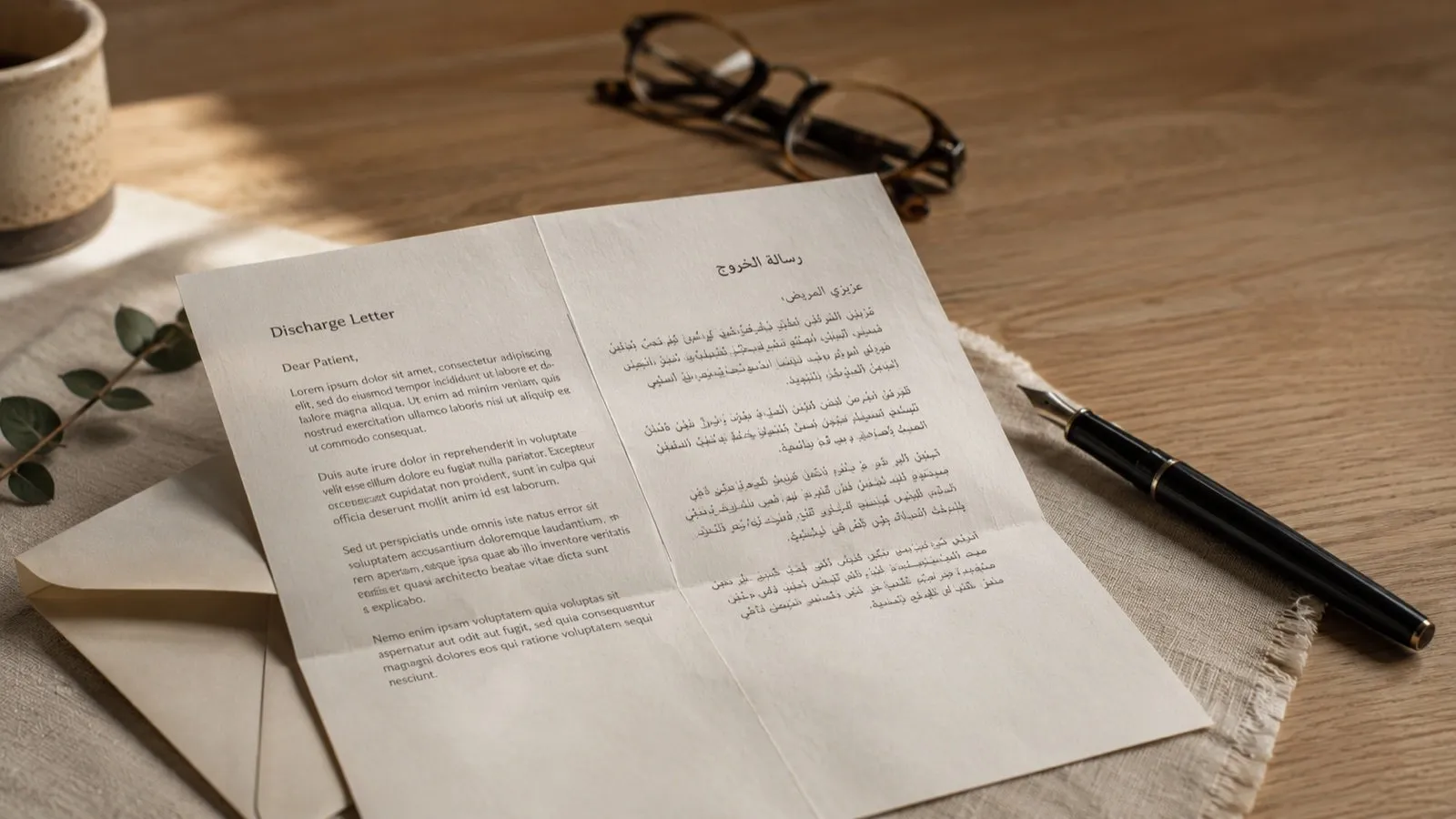
A G7M name has to survive five tests. It has to land in Arabic and in English without losing weight. It has to be pronounceable on a first attempt by a customer who has never seen it written. It has to be searchable, with a clear path through the dot-com and the dot-sa and the regional registrar. It has to be defensible, legally and culturally, in every market the brand intends to operate in. And it has to leave headroom for the brand to grow past its first category.
Optima passed all five. Vito passed all five. Ryaltris passed all five.
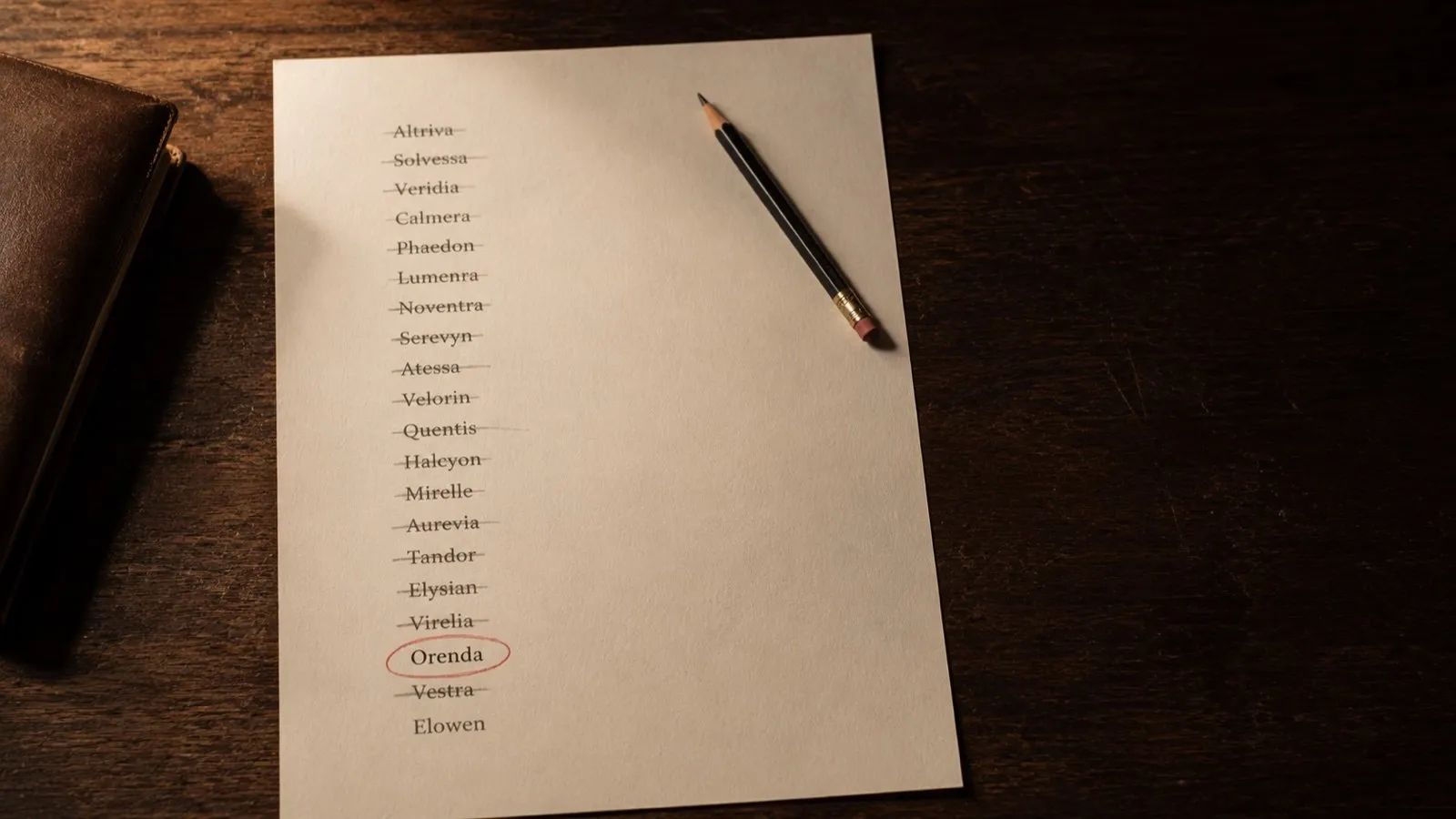
Many of the names we are most proud of are the ones we talked clients out of.
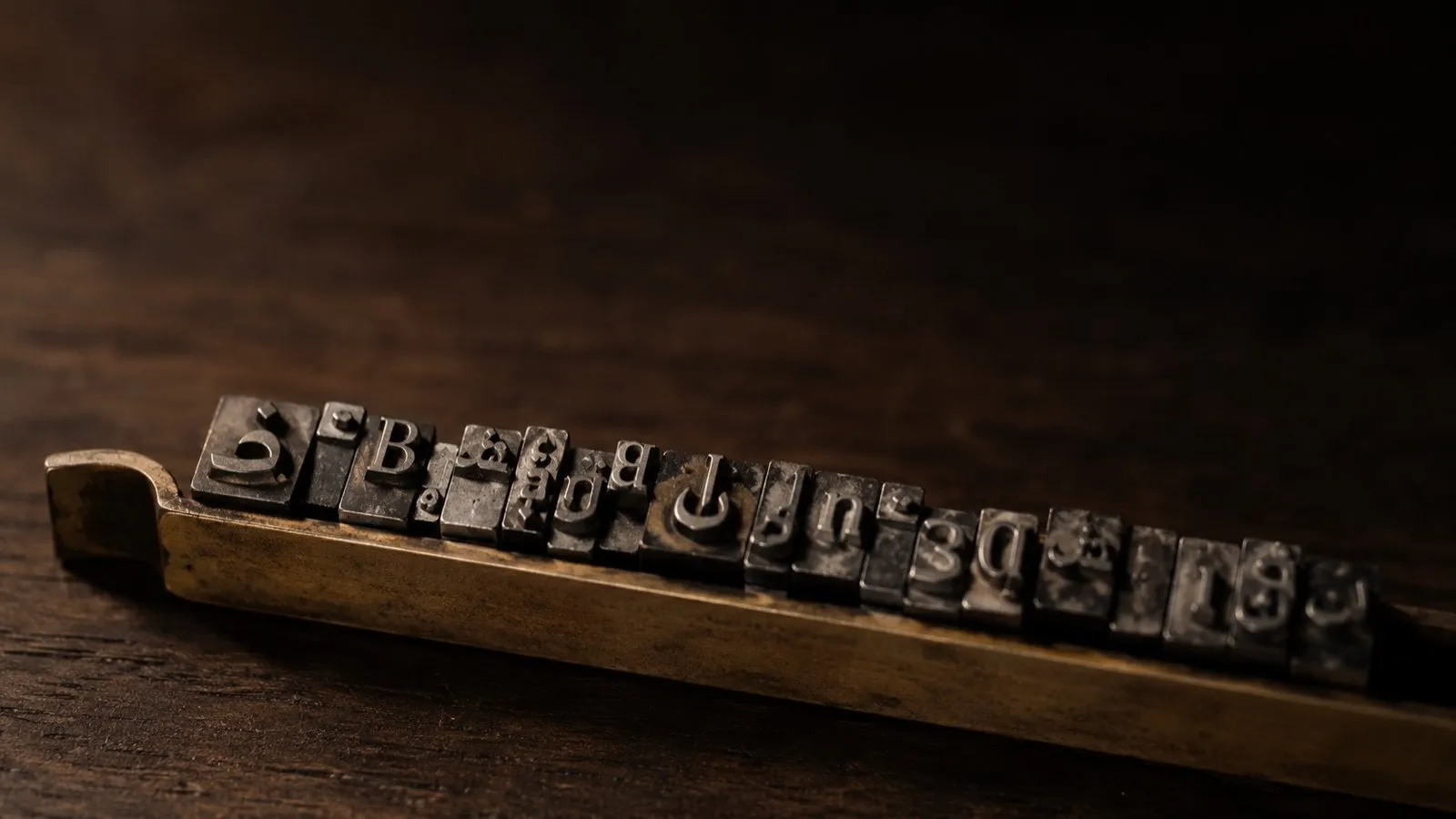
Naming is a craft, not a brainstorm
The naming room at G7M is small and slow. A core team, a strategist, a copywriter who reads the Arabic, a senior who has named twenty things that survived a decade.
We do not run open brainstorms. We do not crowdsource. We do not let the founder name it after their daughter unless the daughter happens to be the brand. The name is too important to be decided by enthusiasm in a Zoom call.