Where healthcare brand language actually shows up
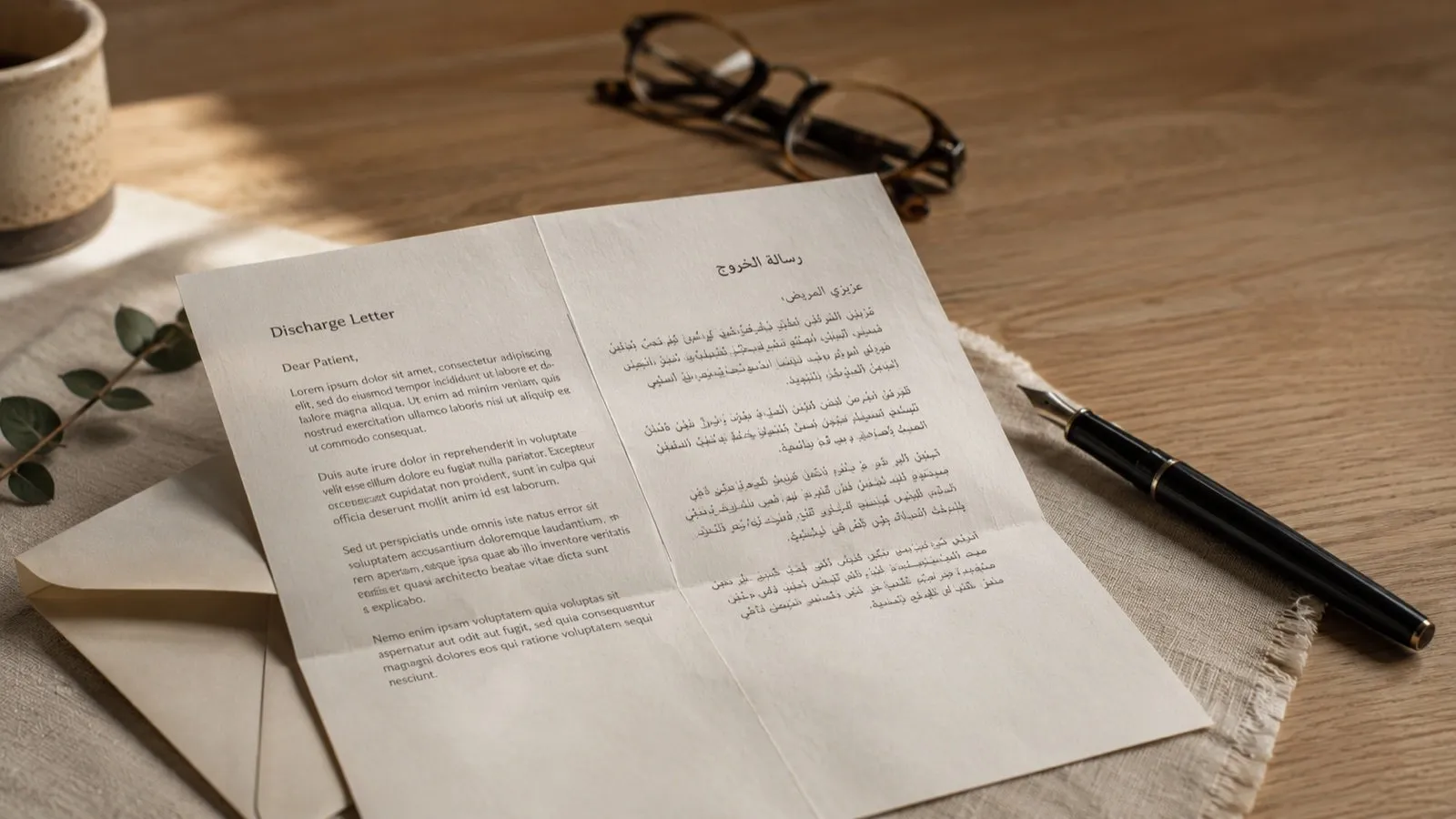
Patients meet a healthcare brand long before they see its logo on a building. They meet it in a Google result, in an insurance pre-approval line, in the SMS that confirms the appointment, in the script the receptionist uses at the desk, in the consent form on the screen, in the discharge letter that lands in the family group chat.
Each of those moments is brand language. Most healthcare brands have no plan for any of them.
Across our work with Andalusia Medical Services Group, DHCC, Ryaltris, Levoctivan, and Bonediviton, the same pattern shows up. The visual identity gets the budget. The language carrying the patient through the actual journey gets left to whoever is closest to the keyboard.
Clinical does not mean cold
There is a default mistake in healthcare writing: the assumption that clinical credibility requires emotional distance. Every product spec sheet, every package leaflet, every wayfinding sign written in the same flat, defensive tone.
It does not work. Patients read flat language as evasion. They read warmth as competence.
We write healthcare brand language the way clinicians actually speak when they are confident: precise, calm, direct, with room for empathy. The accuracy stays. The wall comes down.
What we ship inside a healthcare brand build
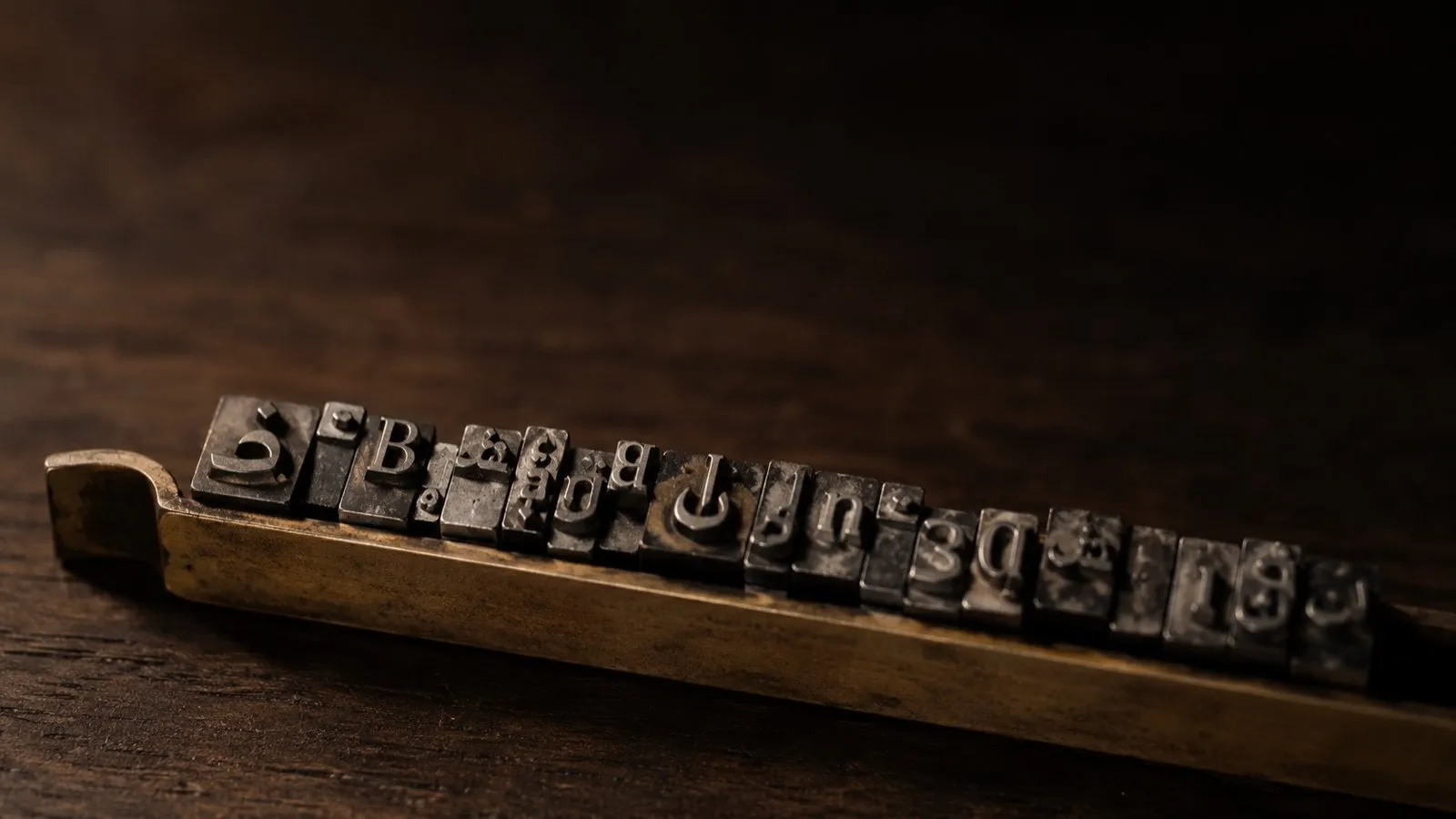
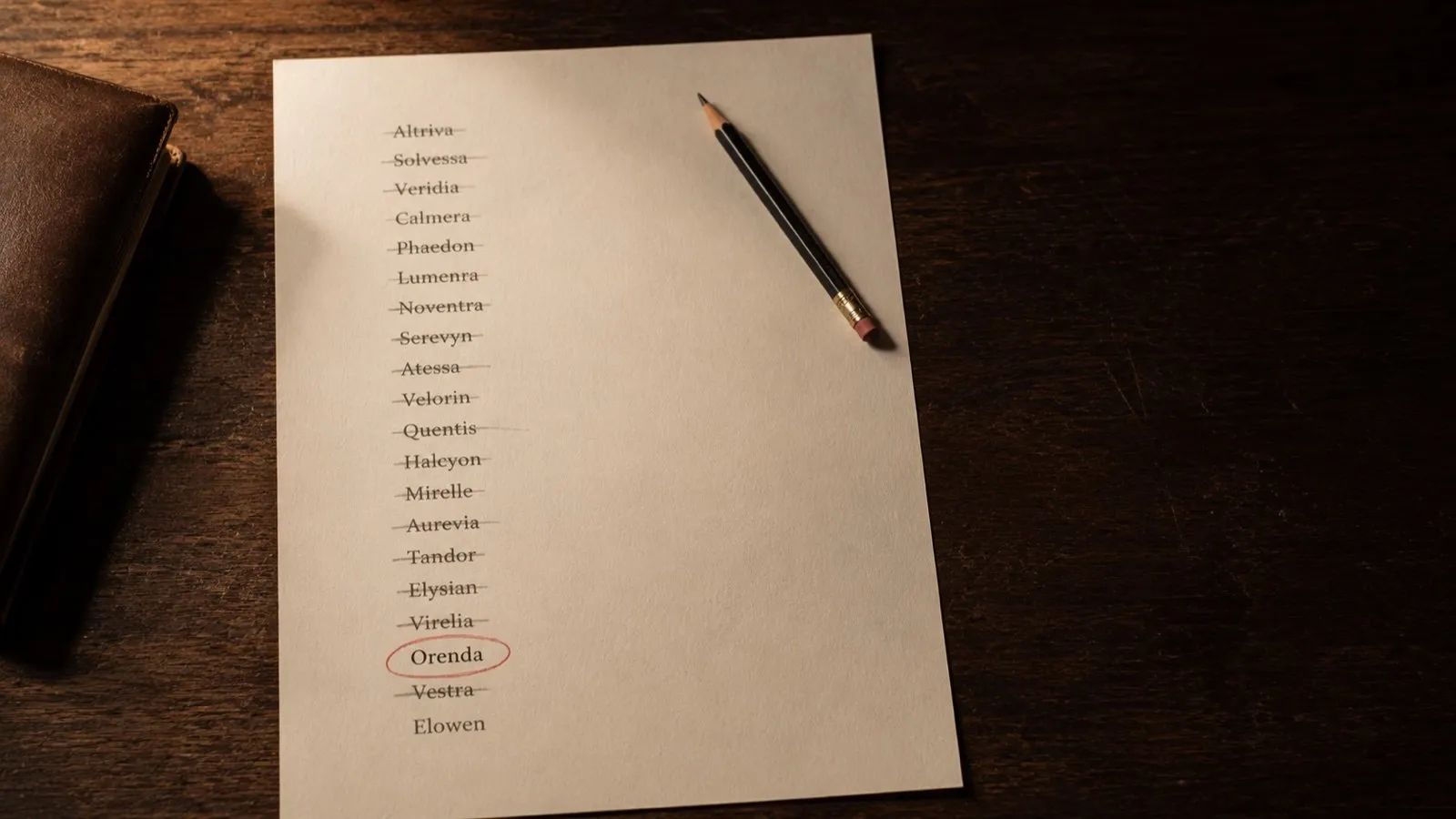
A healthcare brand-language engagement at G7M typically delivers the brand name and tagline architecture, the consultation and digital tone-of-voice rules, the bilingual sensibility for an English-Arabic patient base, the campaign concept for awareness moments, and the long-tail content frame for ongoing patient education.
We work alongside the clinical team, not around them. Anything that touches a patient is signed off by someone who treats patients.