KIS RUZ
A non profit donation app from G7M, built so anyone in Egypt can give a bag of rice and reach a family who has not eaten in days.
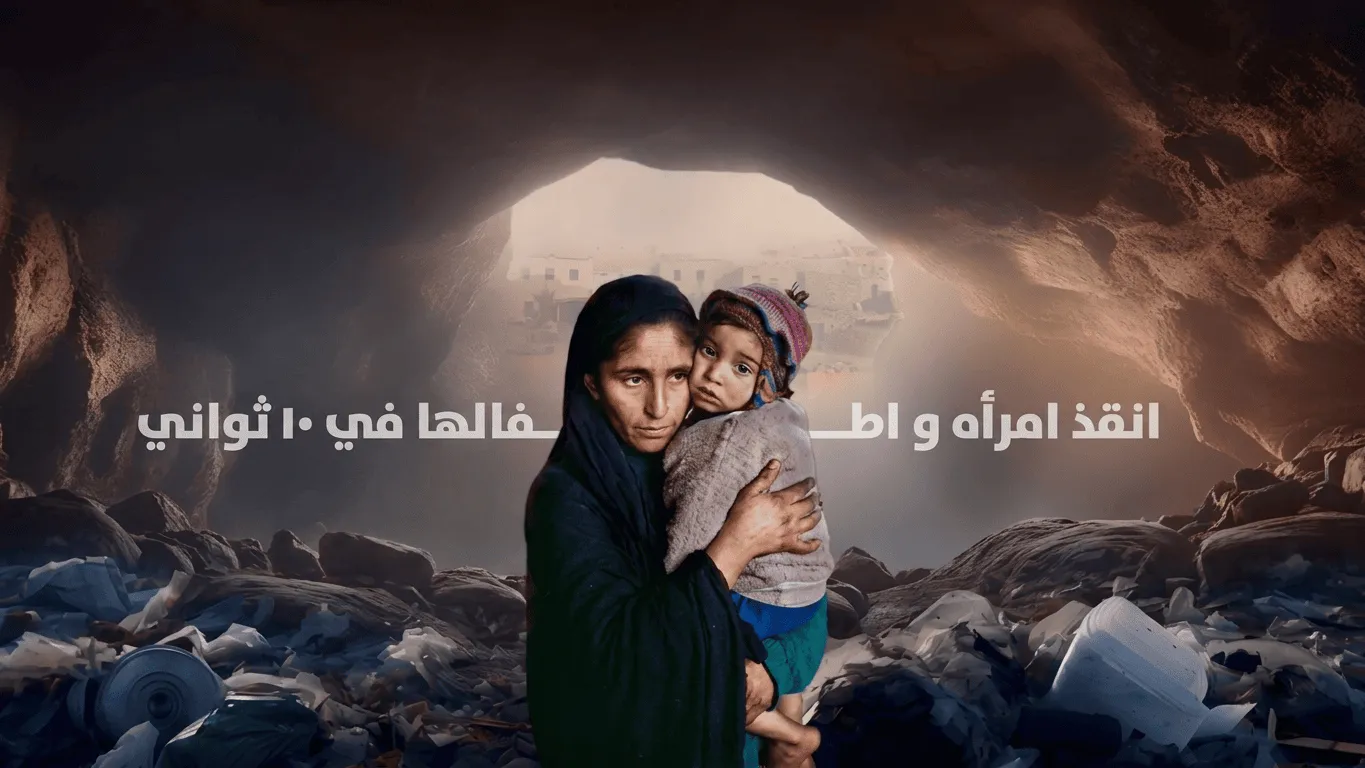
Kis Ruz is a non profit donation app we are building so that giving in Egypt no longer has to be large to count. A donor opens a live map of governorates, picks a real family with a real name and circumstance, chooses a product as small as a bag of rice or as full as a complete meal at market or government subsidised prices, and pays through Fawry online, at any Fawry branch, or at any Fawry machine in any shop. The family receives a code, walks into a nearby store, and walks out with the food. G7M takes no fee on the donation.
- Social Concept
- Strategy
- Brand Language
- Product Design
- UX/UI Design
- Mobile App Design
- Arabic first Copy
- Fintech Partnership
كيس رز. A bag of rice,
given by anyone, to anyone.
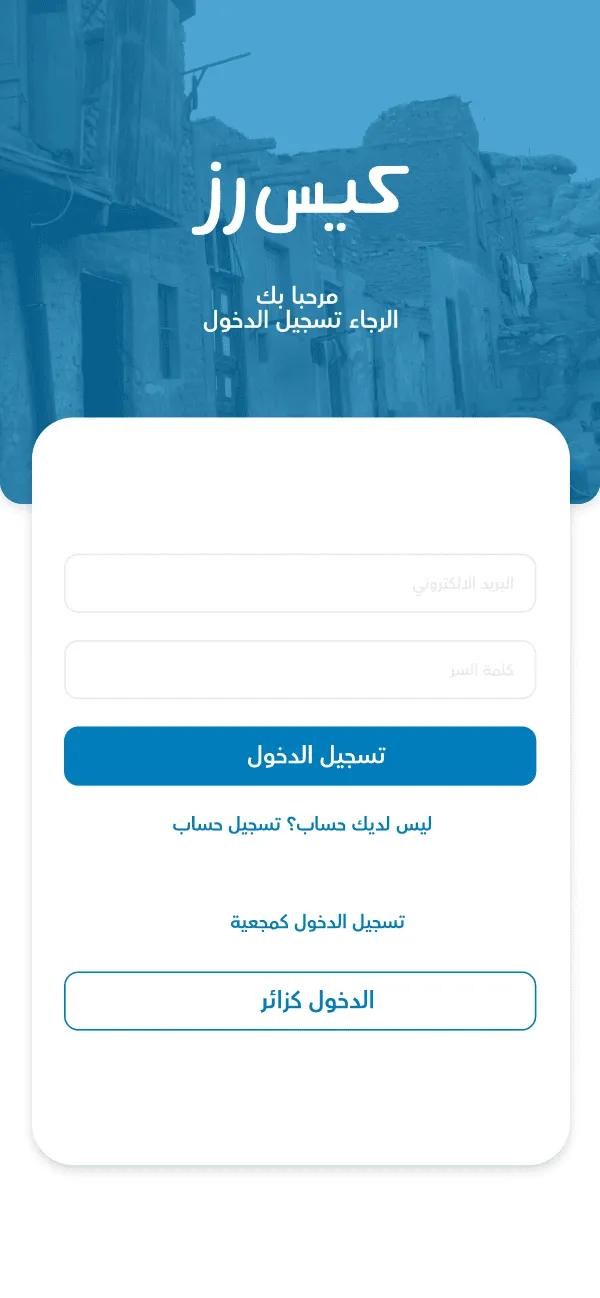
Kis Ruz is the Egyptian Arabic for a bag of rice. We chose it as the name because it is the smallest unit of help that still moves a family from no food to food, and because the name is the entire pitch: a single sack of rice is enough, the price of a coffee is enough, anyone can give. The app opens onto a real Egyptian neighbourhood, the kind of street the platform serves, and lets a donor sign in as themselves, as a charity, or as a guest. We did not want a login flow that scared anyone off before they had a chance to give.
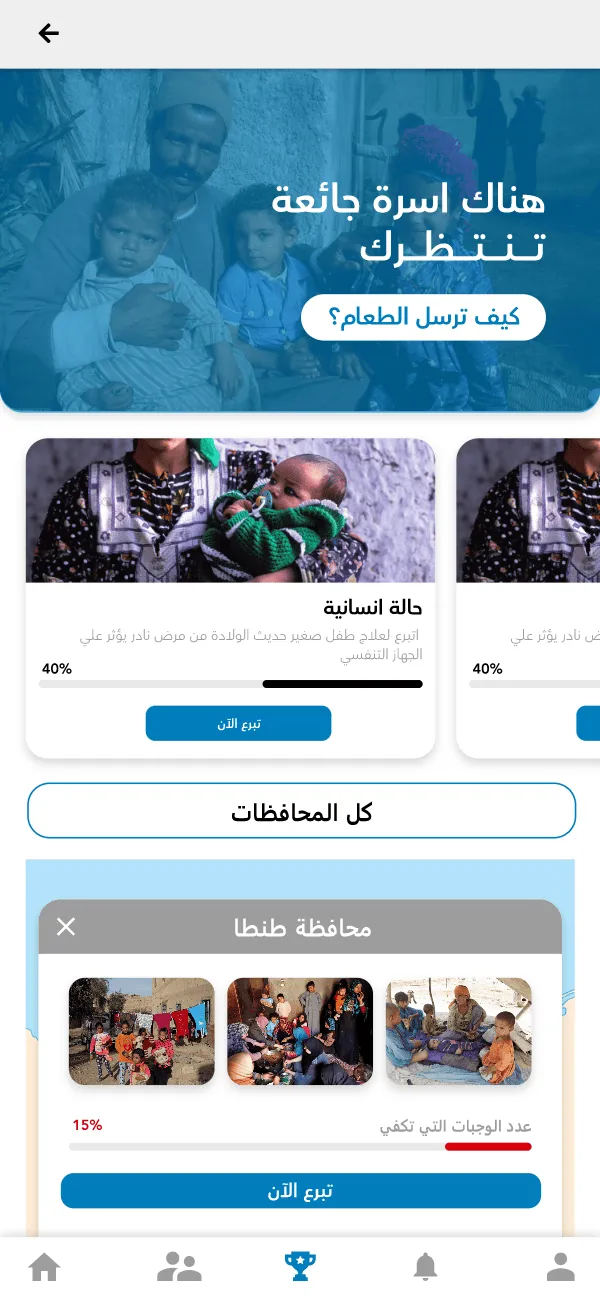
How the app works, from a donor's first tap to a charity's monthly chart.
Kis Ruz is two sided from the first sketch. A donor lands on a map of where the hunger actually is, picks a governorate, reads a real family, chooses one product they can afford to send, and pays through Fawry from anywhere in Egypt. A code goes by SMS to the family, who walks into a nearby shop and walks out with the food. On the other side, the partner charity sees who has been fed and who has waited too long, and a monthly chart turns the work into a number we can both report on.
A live map of hunger.
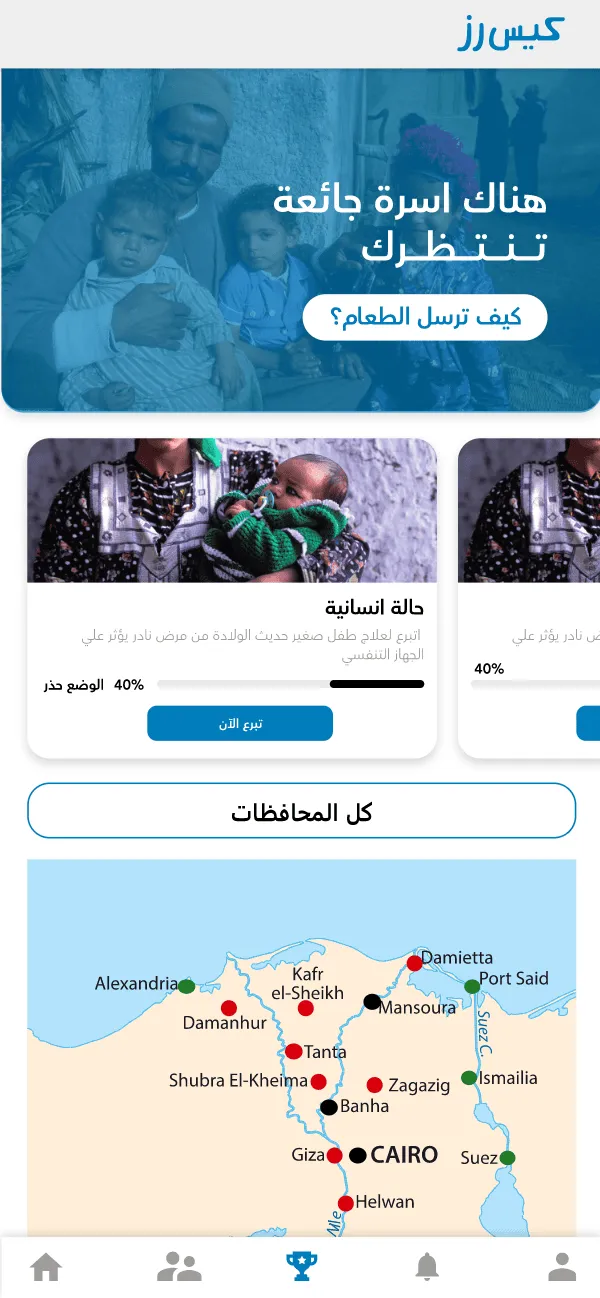
The home screen opens on the headline that matters: a family is waiting. Below it sits a national map of Egypt, with pins on the governorates that are currently most behind on food. The donor sees the scale of the need before they see anything else.
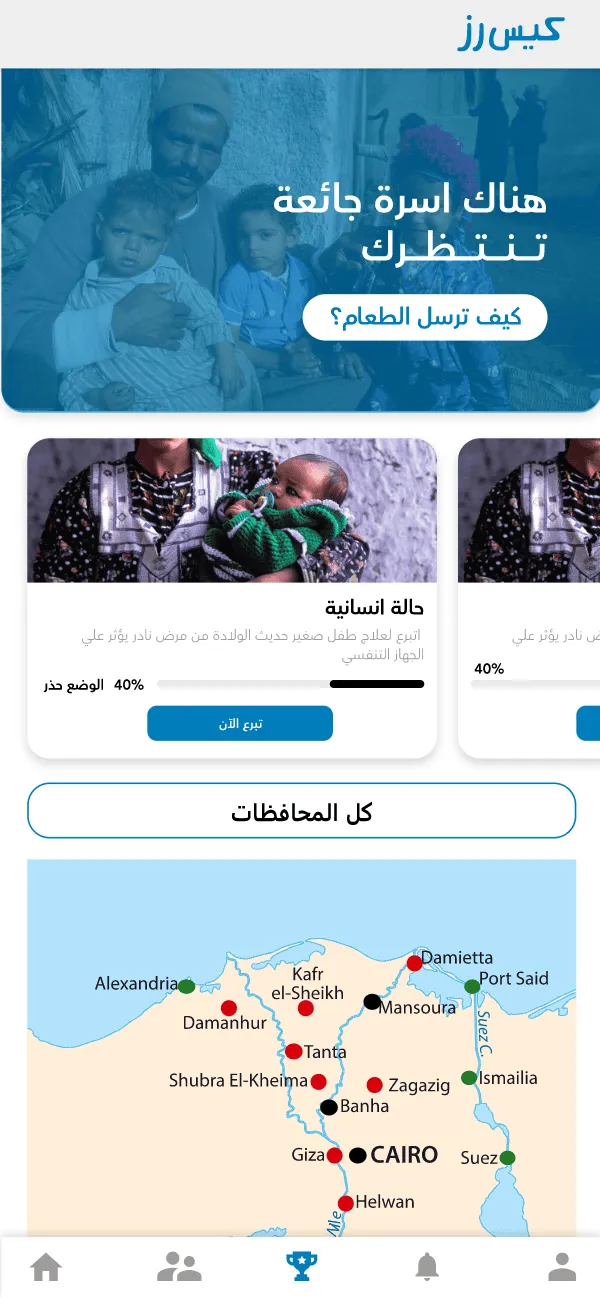
Egypt, governorate by governorate.
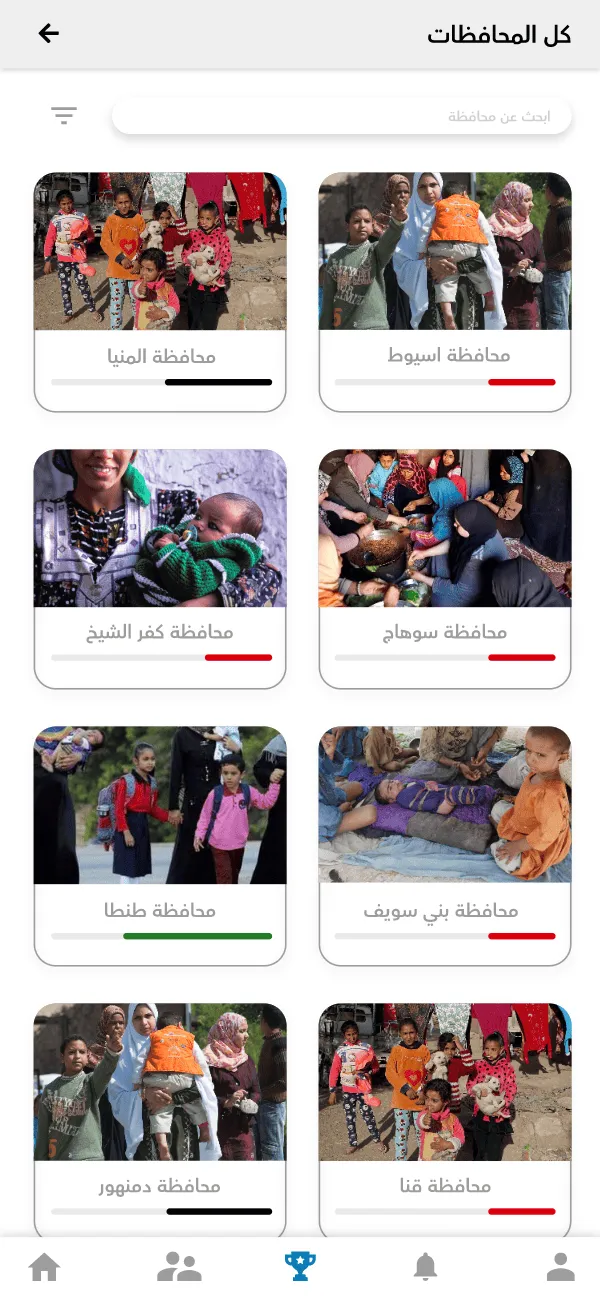
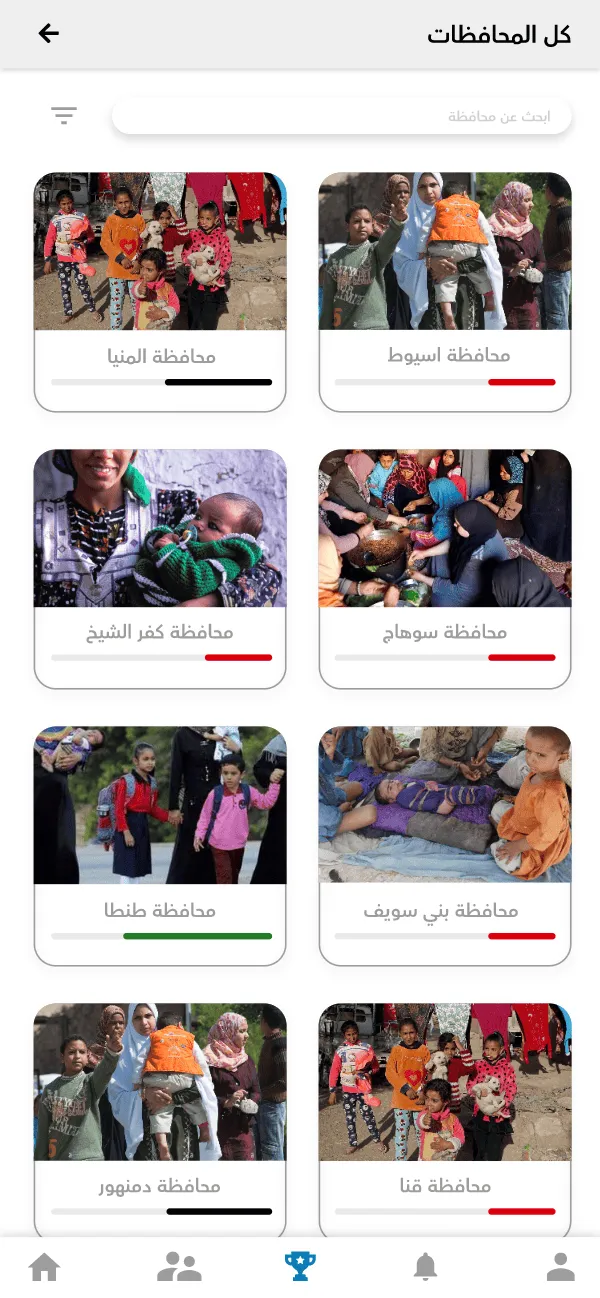
From the map, the donor drills into the full grid of governorates: Minya, Asyut, Beheira, Kafr El-Sheikh, Sohag, Qena, Fayoum, Beni Suef, Damietta, Gharbia. Each one carries its own progress bar of how close it is to closing the food gap this week, photographed in its own streets.
Read the family before you give.
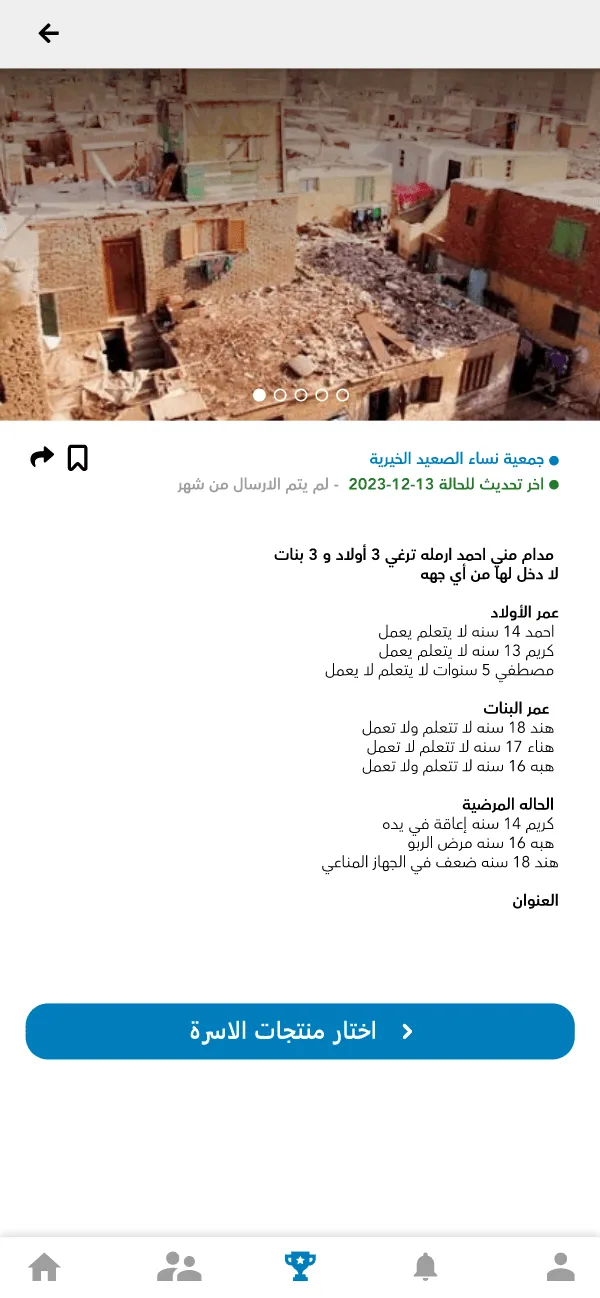
Inside a governorate, every case is a real family the local charity has verified. The detail page names the head of household, the number of children, their ages, the dependents, the medical and housing situation. The donation goes to a name, not a category.
Choose what you can afford to send.
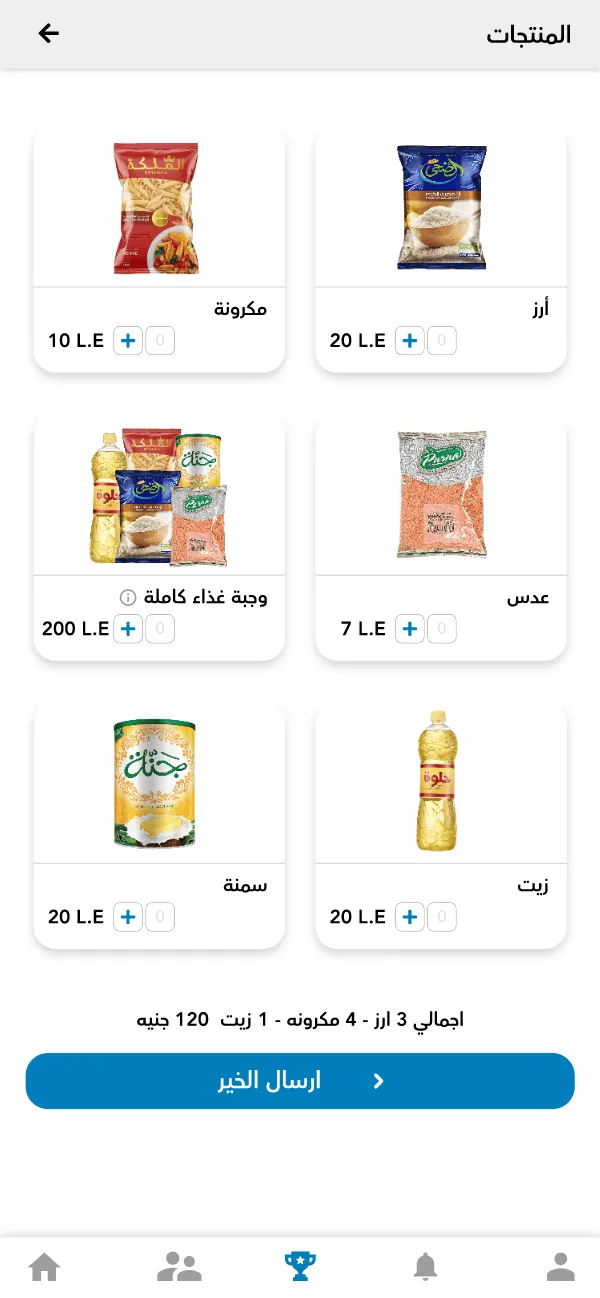
The product grid is deliberately ordinary. A bag of lentils at 7 LE, a bag of pasta at 10 LE, rice and ghee and oil at 20 LE each, a full food meal at 200 LE. Prices match the Egyptian market shelf, with government-subsidised rates where we have agreement in place, so a 20-pound choice on the app is a 20-pound bag in real life.
Pay through Fawry, from anywhere in Egypt.
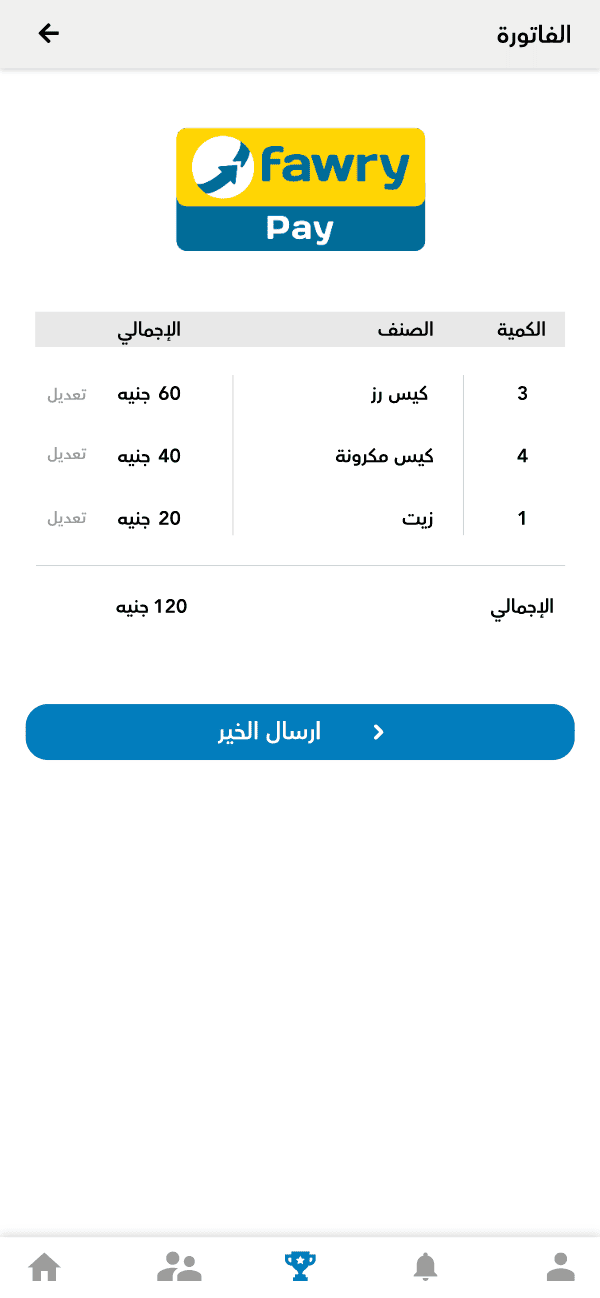
Checkout runs on Fawry Pay. A donor can complete the payment inside the app, at any Fawry branch, or at any Fawry machine sitting in a corner shop. A code is sent by SMS to the family, they walk into a nearby store, show the number, and walk out with the food. No card, no bank account, no friction.
A name in the team.
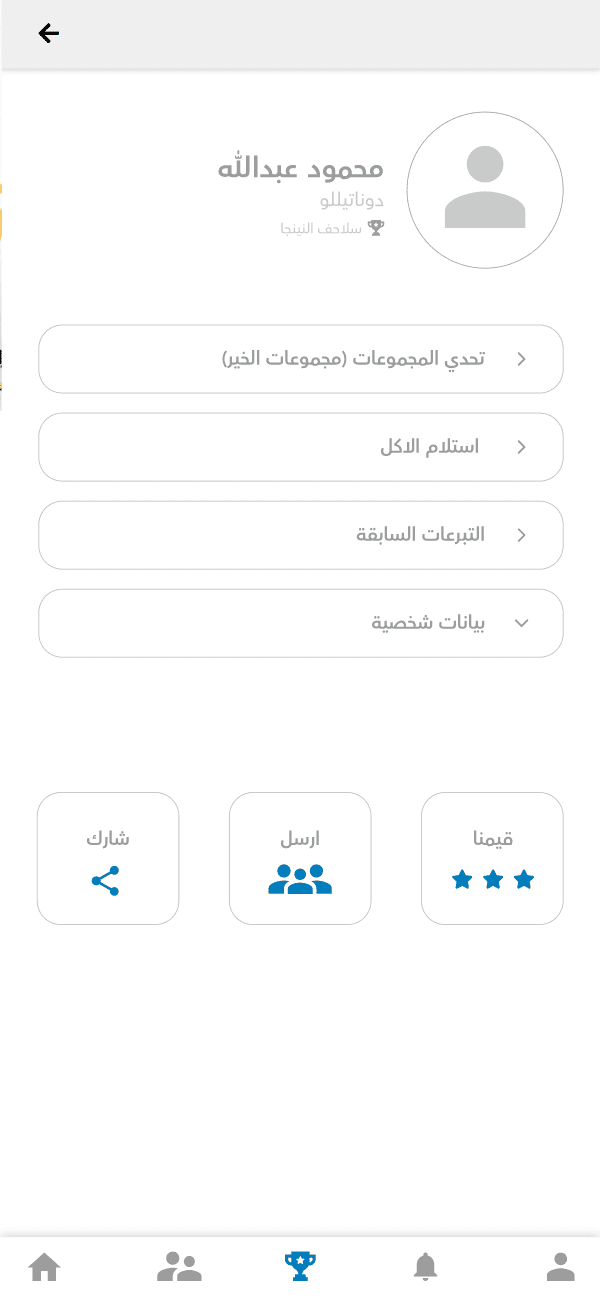
Every donor gets a profile, an alias, and a team. The screen shows what you have given, the group you are riding with, your shortcut to receive food, share the app, or rate us back. The team idea matters because solidarity holds longer when it is sociable.
The charity's case list.
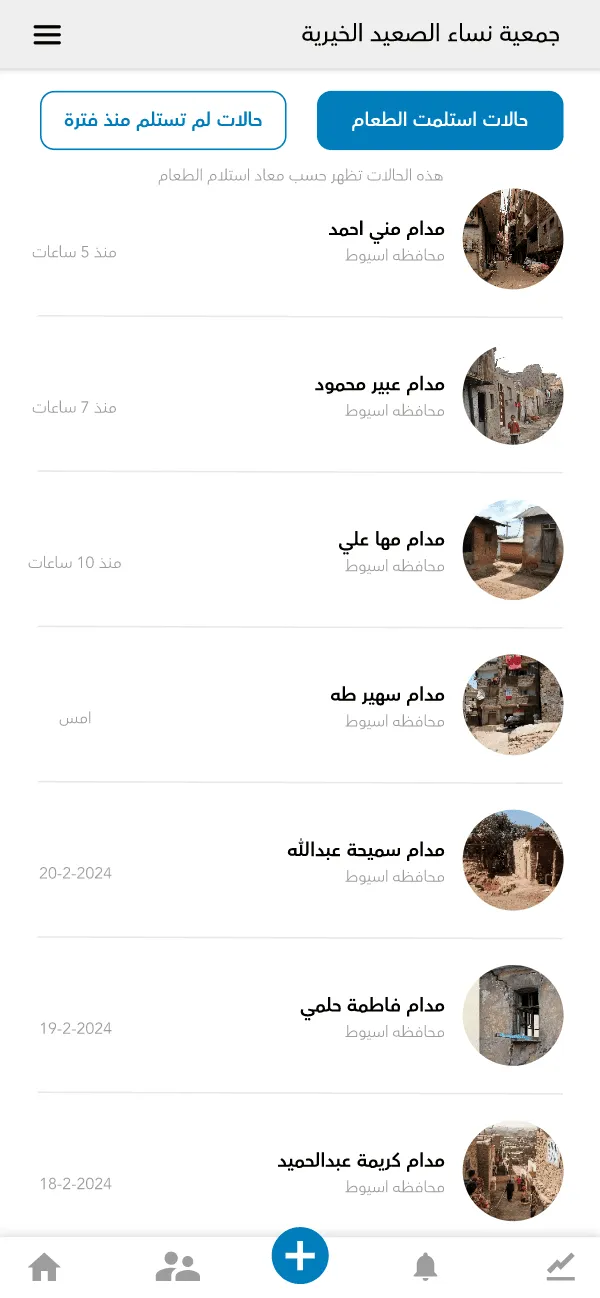
Partner charities log into their own side of Kis Ruz. Two tabs sort every family they have registered: who received food this week, and who has not received in a while. Names, photos, timestamps. The platform makes the absence visible, not just the help.
Months measured in food, not money.
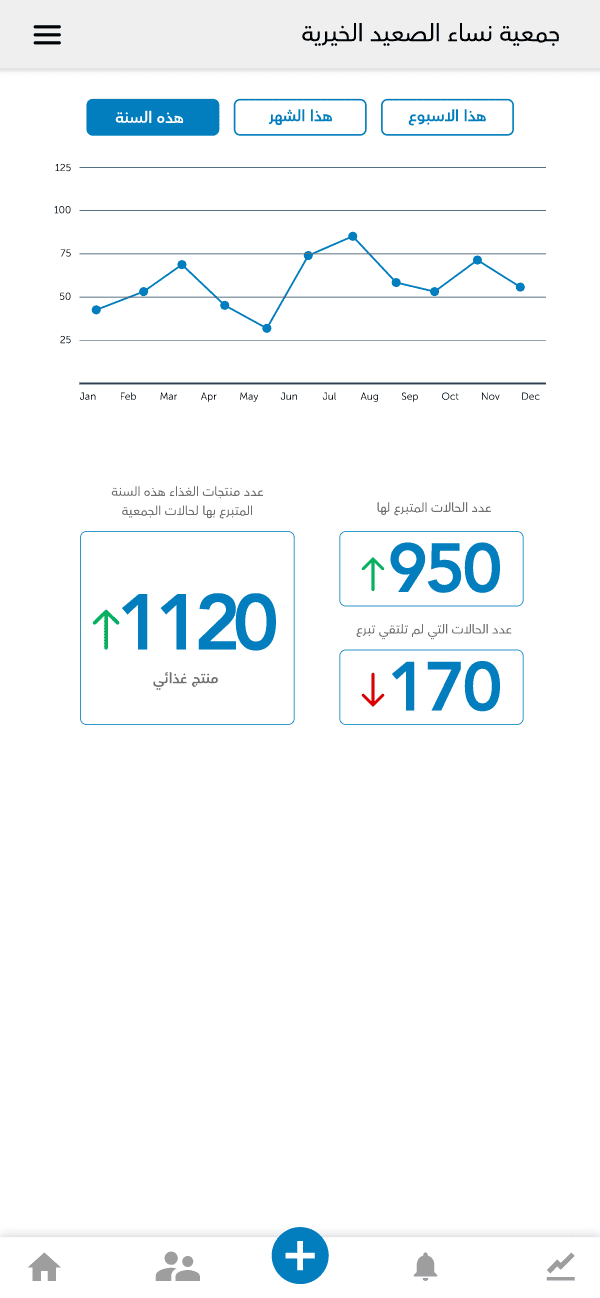
Underneath the case list sits the dashboard the charity reports on. Food products delivered through this charity this year. Families reached. Families still waiting. The number that matters on Kis Ruz is not how much was raised, it is how many days of hunger were closed.
Solidarity, made
competitive on purpose.
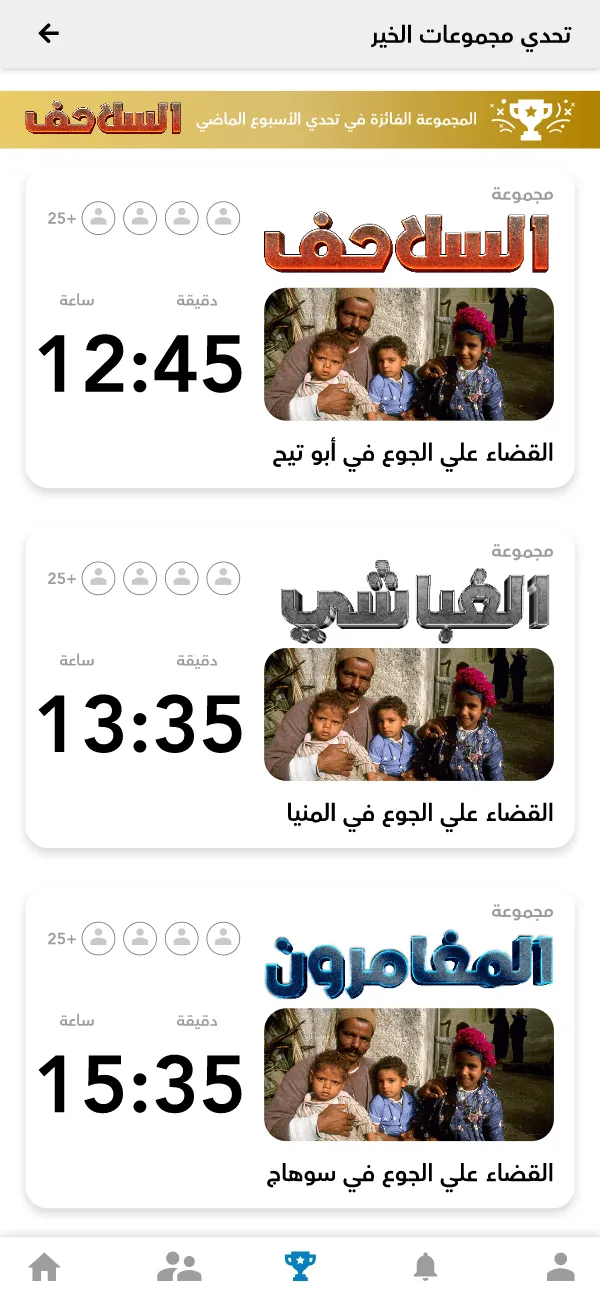
Donors can form teams, take aliases, and join 24 hour group challenges to close the food gap in a chosen governorate before the timer runs out. The Ninja Turtles try to end hunger in Asyut. Another team races them in Sohag. The point is not the trophy, it is the velocity, and the social proof of seeing people you know give. Kis Ruz is in build right now. We are finalising the non profit's legal structure and the government coordination on subsidised product pricing, and the app will be on every phone in Egypt very soon.
If you have an idea worth building for the world around you, we’d like to hear about it.
We work with non-profits, change-makers, and brands ready to put their reach behind something that matters. No deck, no pitch. Tell us the idea.